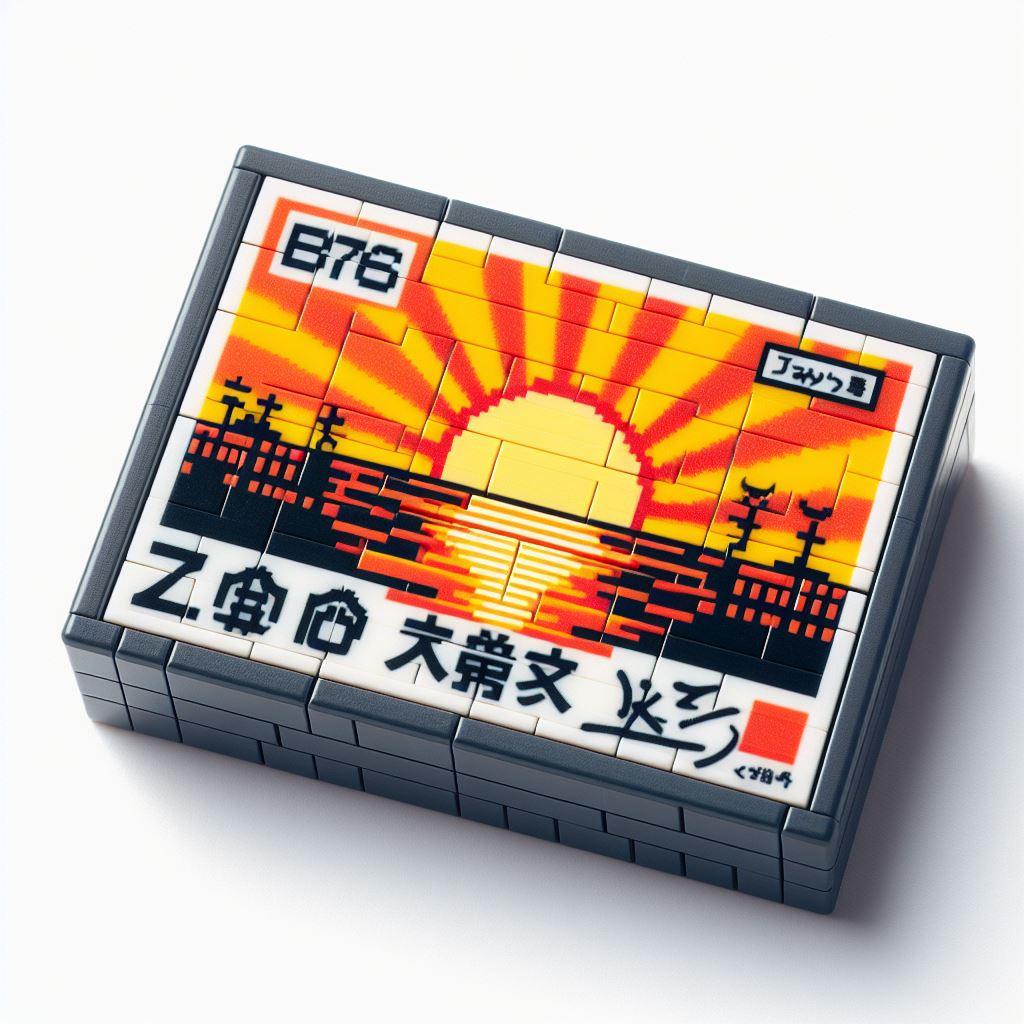
Japan and its rich cultural heritage
Japan, an island nation in the Pacific, is known not only for its breathtaking landscapes but also for its deeply rooted and unique culture. Over centuries, Japan has created a fascinating blend of tradition and modernity, making it one of the most interesting and most visited countries in the world.
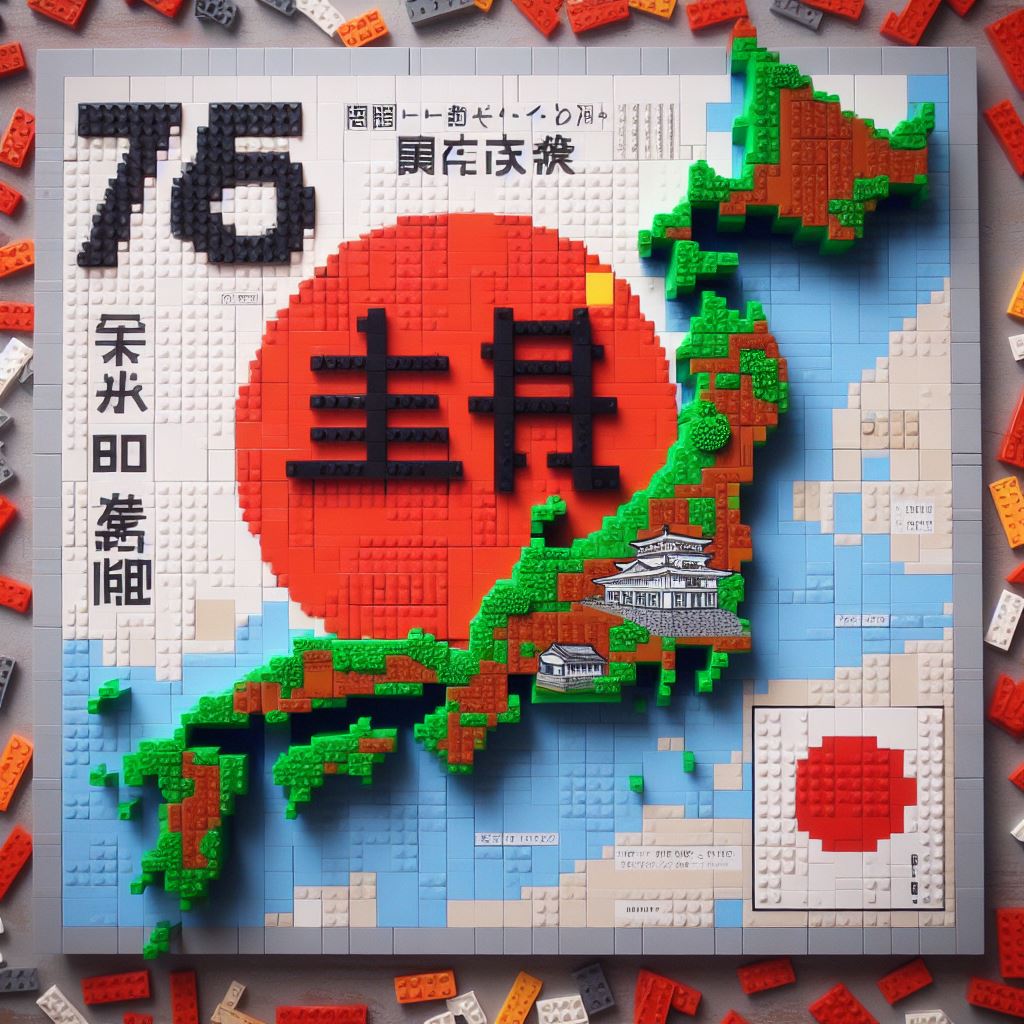
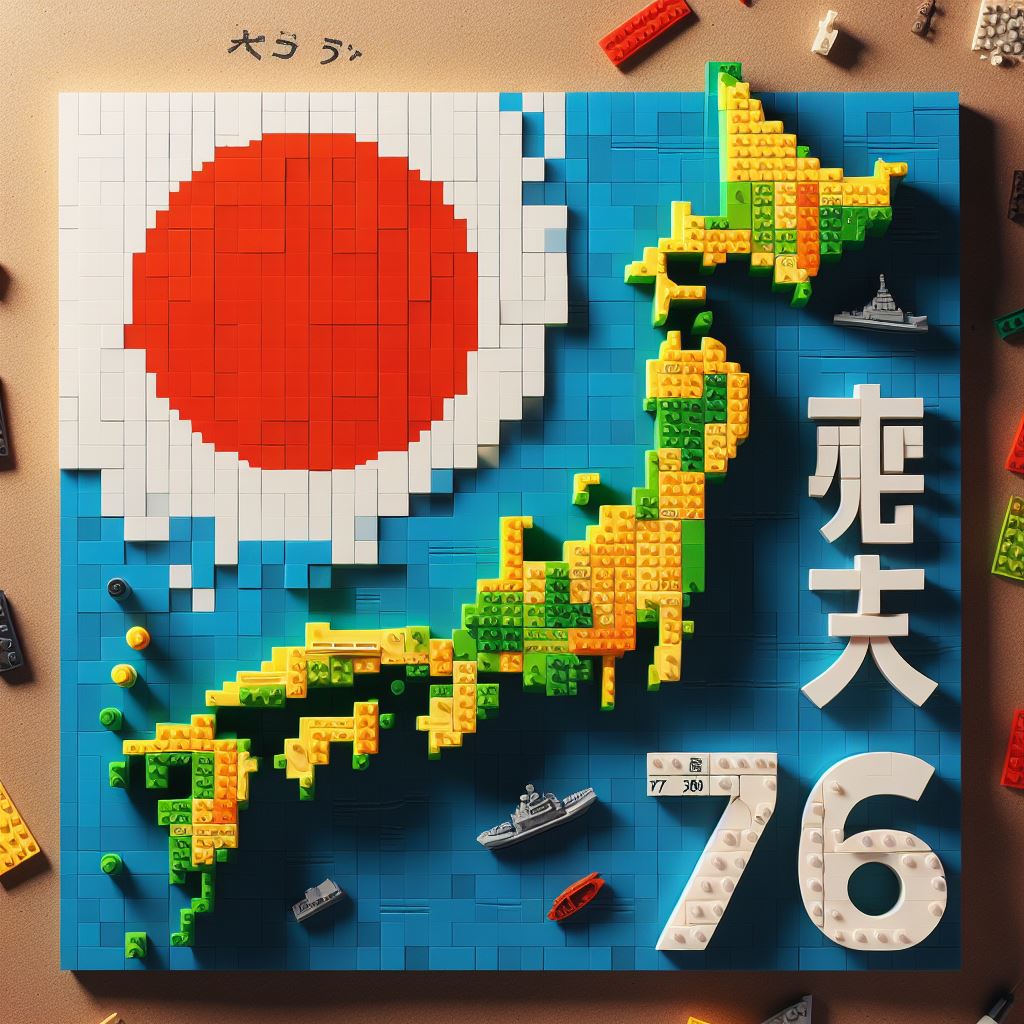
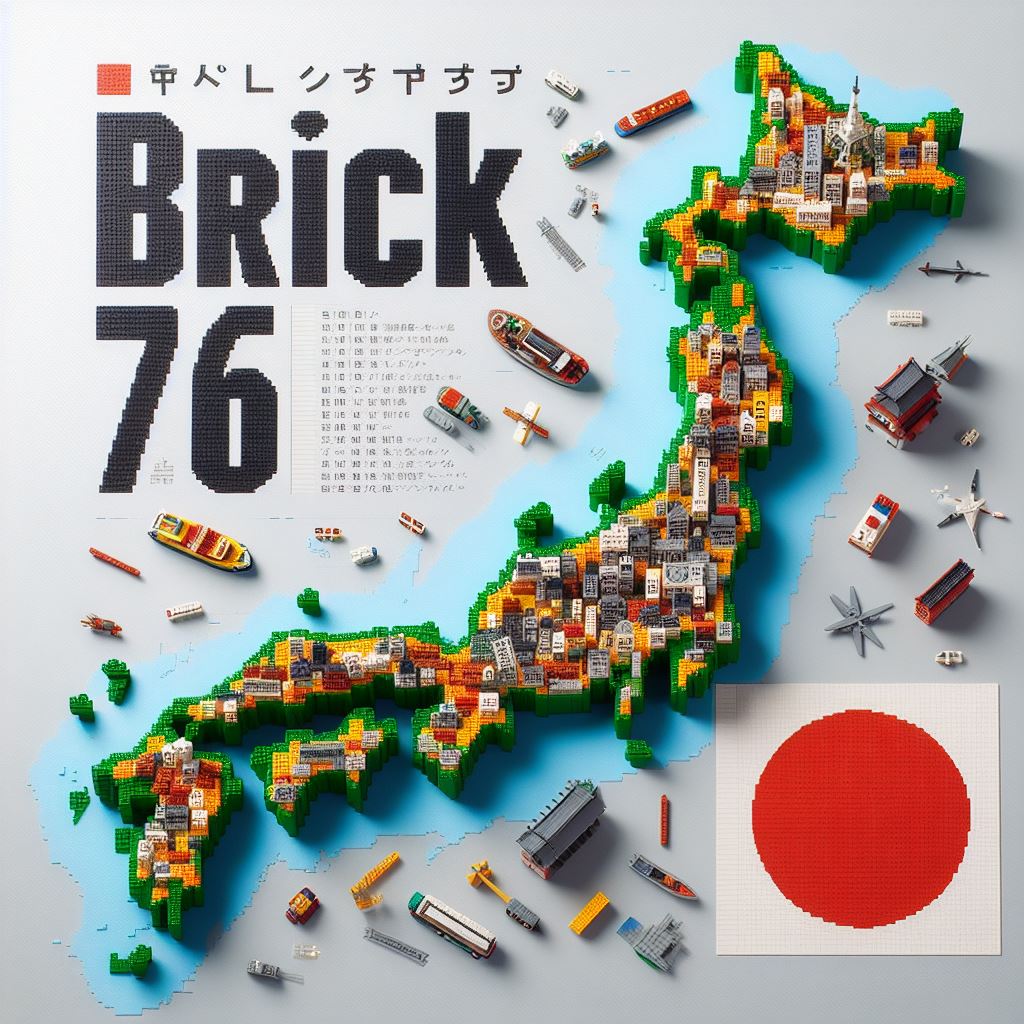
It covers an area of approximately 377,975 square kilometers (146,937 square miles) and consists of four main islands — Honshu, Hokkaido, Kyushu, and Shikoku — as well as numerous smaller islands. Due to its island-rich geography, the coastline is relatively long. Overall, Japan is roughly the same size as Germany or slightly smaller than the U.S. state of California.
Historical overview
Japan’s history goes back several thousand years and is shaped by a series of dynasties, shogunates and cultural influences. The samurai warriors, who ruled during the medieval period, left a profound cultural and social legacy that is still visible today.
Arts and Literature
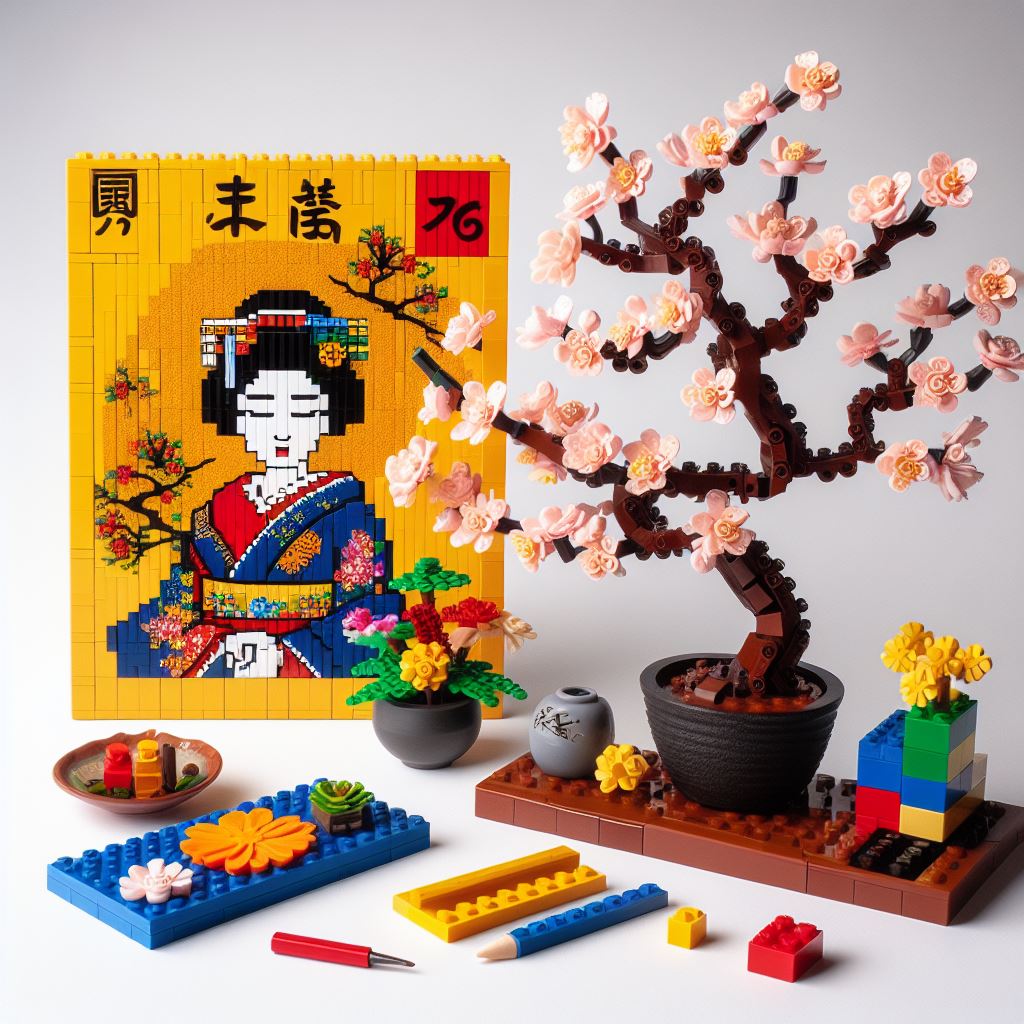
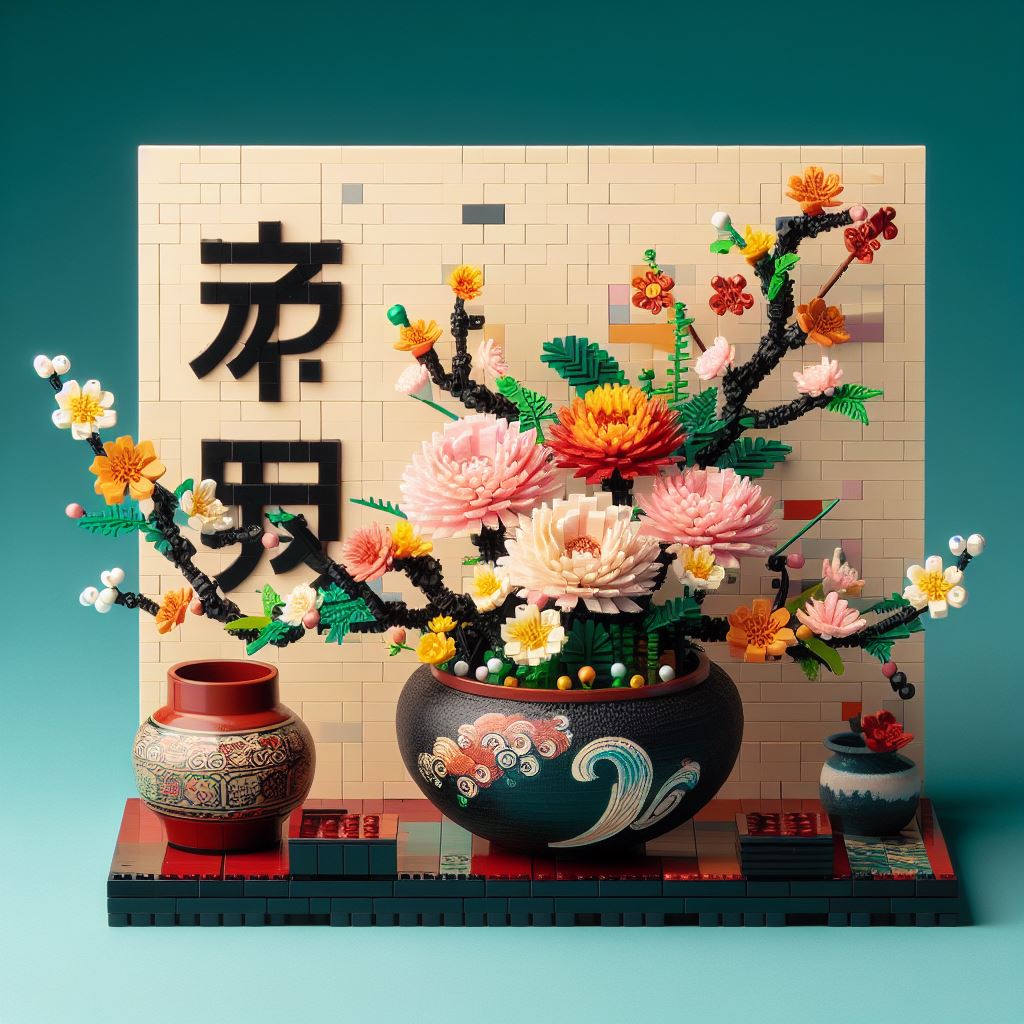
Art forms such as ukiyo-e (woodblock prints) and ikebana (flower arrangement) are known worldwide. Traditional literature, including haiku poetry and epic narratives such as The Tale of Genji by Murasaki Shikibu, reflects the country’s subtle and often melancholic aesthetic.
Religion and Philosophy
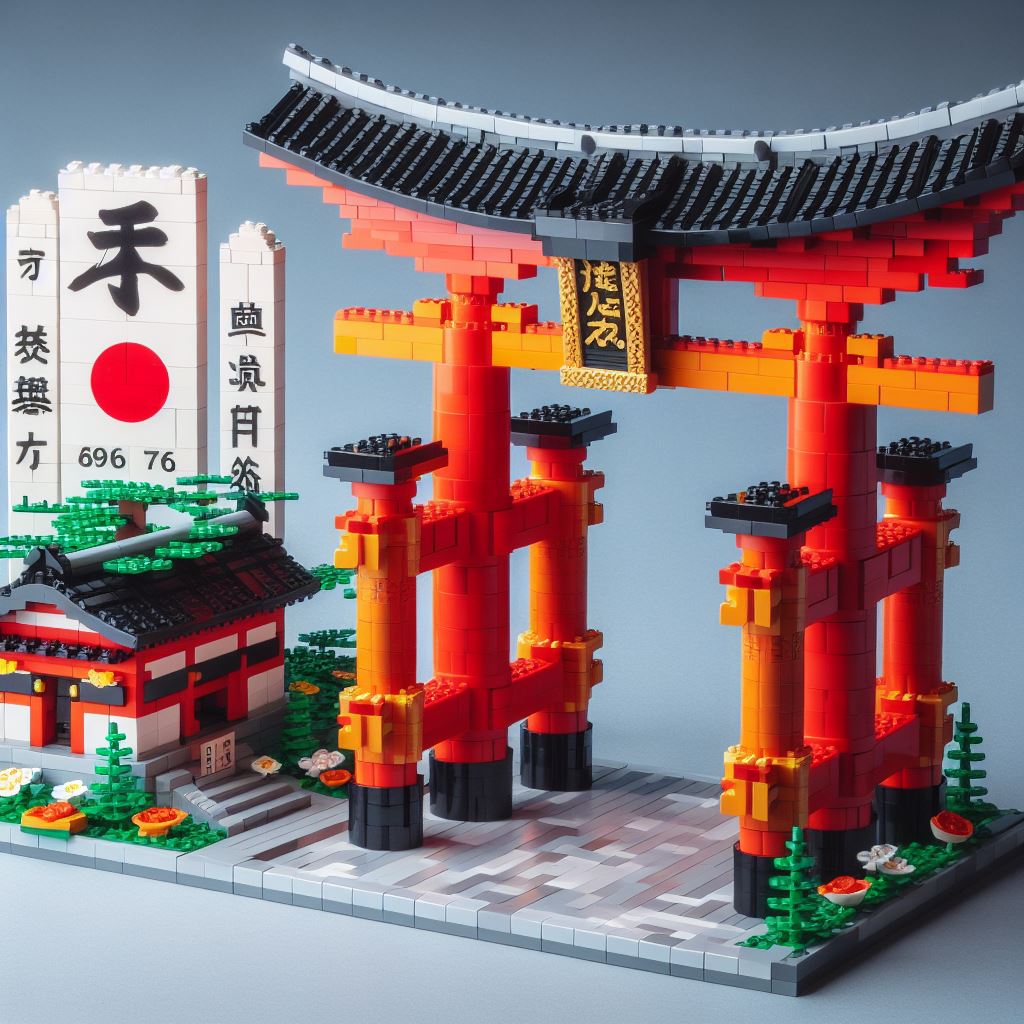
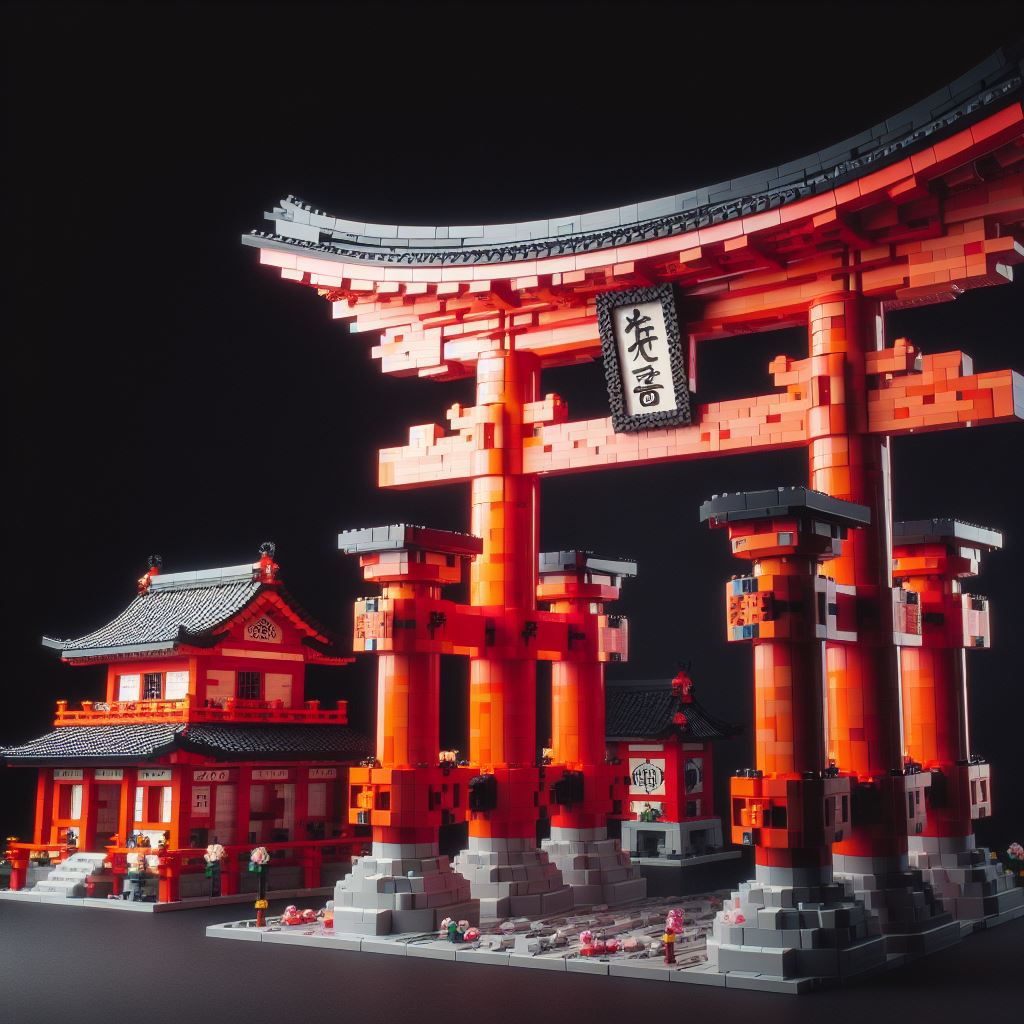
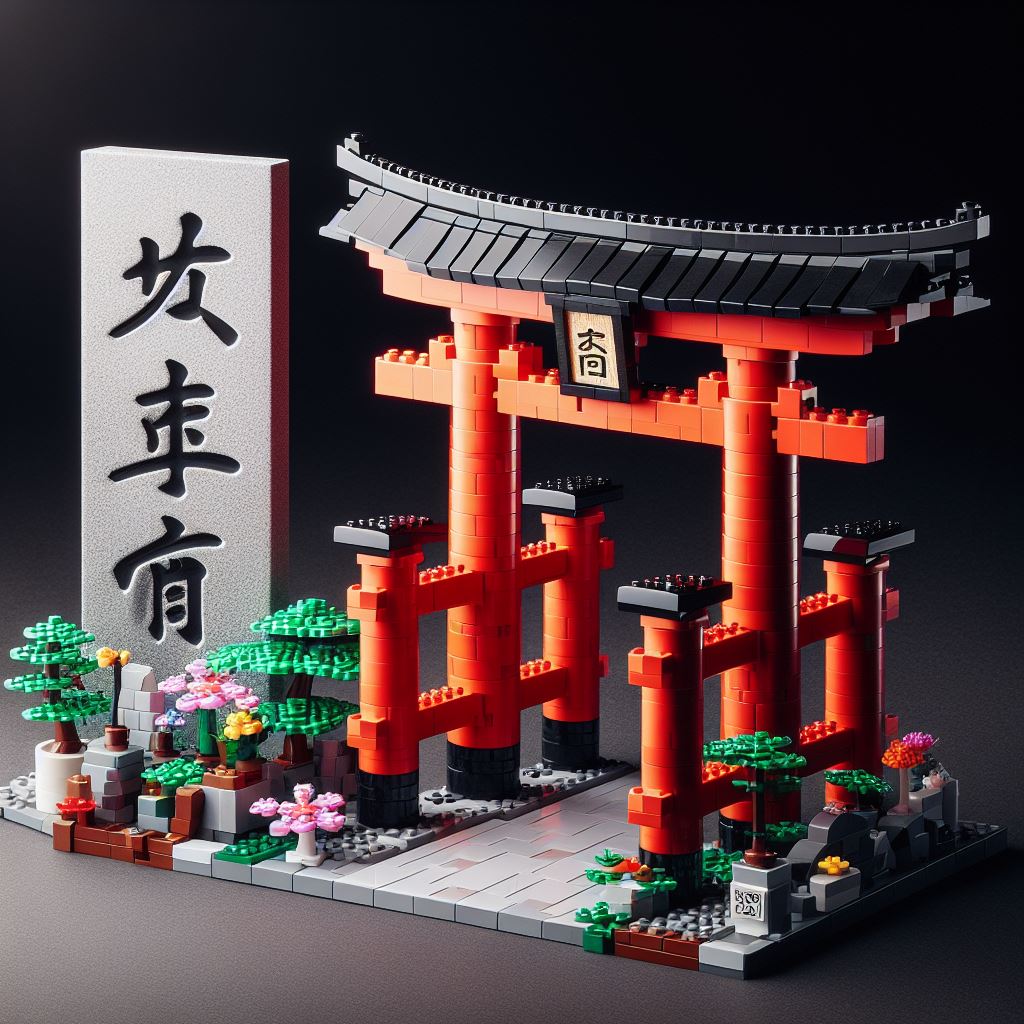
Shintoism and Buddhism are the two main religions and have a deep influence on the cultural and spiritual aspects of the country. Temples and shrines are widespread, and festivals such as the cherry blossom festival (Hanami) are important cultural events dedicated to the seasons and natural phenomena.
Cuisine and Tea Ceremony
Japanese cuisine, especially sushi, tempura, and ramen, has gained worldwide recognition. Dining in Japan is not only a culinary experience but also a cultural one, where care, presentation, and flavor are central. The tea ceremony (Japanese: 茶道 sadō) is another example of Japanese culture, celebrating the principles of harmony, respect, purity, and tranquility.
Pop Culture and Modern Influences
While traditional aspects of Japanese culture continue to be revered, the country also has a thriving modern culture. Manga and anime—Japanese comics and animated films—are popular worldwide and have created their own subcultural movement. J-pop and J-rock are further examples of the global influence of Japanese pop culture.
Japanese Writing System
The Japanese writing system is a unique combination of different scripts that have developed over the centuries. Here are the basic elements of the Japanese writing system:
- Kanji
Kanji are Chinese characters that were adopted in Japan. These characters represent words or concepts and each has its own meaning and pronunciation. In Japan, more than 2,000 kanji characters are used regularly, and students learn them throughout their school years.
- Hiragana
Hiragana is a phonetic writing system mainly used for grammatical endings, particles, and words that cannot be represented by kanji. It consists of 46 basic characters, each representing a syllable.
- Katakana
Katakana is another phonetic writing system, mainly used to represent foreign words, technical terms, and sometimes for stylistic purposes or emphasis. Like hiragana, it consists of 46 basic characters that represent syllables.
- Romaji
Although it is not part of the traditional Japanese writing systems, rōmaji is used to write Japanese words using the Latin alphabet. This system is often used for transcription and for teaching Japanese words to non-Japanese speakers.
In the Japanese language, a combination of kanji, hiragana, and katakana is often used. Kanji are used for nouns, verbs, and adjectives, while hiragana and katakana serve to indicate pronunciation and grammar or to highlight specific terms.
Mastering the Japanese writing system is essential for understanding the language and culture. However, learning these writing systems can be challenging, as each has its own rules and exceptions.
“Land of the Rising Sun”
…is a poetic and commonly used term for the country. The expression originates from Japan’s geographical location east of the Asian continent and refers to the fact that the sun rises over Japan first when considering time zones and geographic position.
This designation is deeply rooted both historically and culturally. It conveys the image of a country associated with hope, renewal, and the beginning of a new day. The metaphor of the “rising sun” reflects Japan’s historical and cultural significance in the region and has evolved into a symbol of the nation’s identity and pride.
In various contexts, the term “Land of the Rising Sun” is used to describe the uniqueness and character of the country. It appears in literature, politics, and popular culture, serving as a reminder of Japan’s distinctive geographical and cultural position in the world.